
by yncuniversity | Jan 21, 2022 | Financial Literacy
HOW TO ACHIEVE YOUR FINANCIAL NEW YEAR’S RESOLUTION
Friday, January 21, 2022
Getting in shape, eating healthier, and breaking bad habits. They’re all popular new year’s resolutions. But this year, thanks to the ongoing COVID-19 pandemic, improving our financial health is climbing closer to the top of the list.
The pandemic is taking a toll on our bank accounts. But there are ways to get back on track. Let this year be the year to rethink your spending habits, improve your budgeting and start saving!
Here are some tips to help you achieve your financial resolutions:
1. Start small with SMART goals
Improving your financial situation can be an overwhelming endeavor, so we recommend aiming for small improvements while setting SMART goals: specific, measurable, attainable, realistic and time sensitive. When you set goals that satisfy these conditions, you are more likely to achieve them.
Starting off with a short-term goal can also be a good way to start the new year with less pressure. Short-term goals are easier and faster to obtain. They also allow you to see your progress faster, which can lead to higher confidence and a greater chance of remaining committed to a long-term goal.
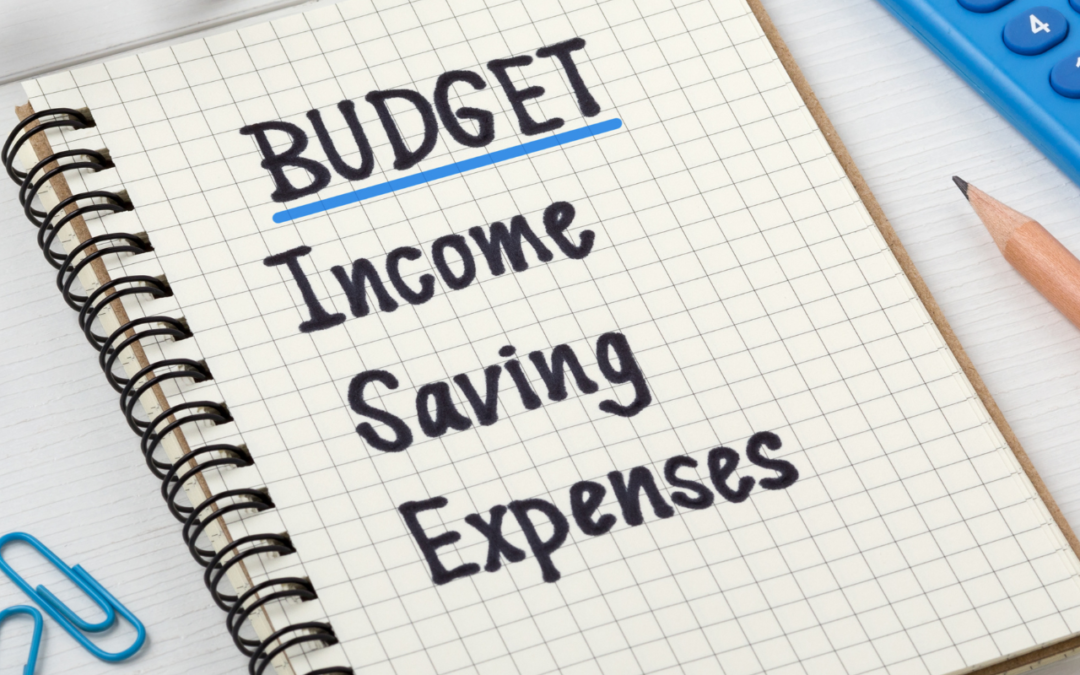
If you’re in need of a smaller and simpler financial goal this year, we recommend focusing on your monthly spending. Setting a monthly budget allows you to spend less than what you earn. Over time, a budget can help you cut back on discretionary spending or rely less on credit cards, leaving you with more cash at the end of every month.
Learning to live below your means is a small but smart way to save more money sooner and live debt-free. Ready to get started? Download a free copy of YNCU’s financial goals worksheet to start planning your goals today.
2. Pay yourself first
Want to see your savings grow faster this year? One of the best ways to prioritize savings is through automatic transfers.
“Pay yourself first” is a popular phrase in personal finance and retirement planning. It involves automatically deducting a fixed amount of money on a regular basis from your income or other money sources and depositing it directly into a savings account.
For example, if you no longer have to make regular car payments, we recommend diverting that money into a savings account. When something is automatic, we are less likely to treat it as an option and it becomes part of our regular saving and budgeting routine.
This system is an effective way to manage your spending habits and contribute to future expenses such as your retirement fund or emergency savings. Automatic transfers can be set up yourself, through online banking or we can help.
3. Focus on cutting down debt
It can be easy to go into debt, but it takes time and self-discipline to pay it off. Now that you know how to set SMART goals, we encourage you to use this tactic when it comes to paying down debts such as credit cards, lines of credit and student loans. This will make it easier to manage your income, you’ll avoid hefty interest down the line and you’ll have more freedom with your cash.
If you have outstanding balances on multiple credit cards, a realistic goal would be to pay down the card with the highest interest rate. Known as the “debt avalanche” method, this strategy involves making the minimum payment on all debts, then using the extra funds to pay off the debt with the highest interest rate. Another tip to consider is paying more than the minimum balance. This will help you eliminate debt sooner and decrease the amount of interest you owe.
If you’re still unsure where to start, reach out to your local YNCU advisor for guidance.
4. Introduce good financial habits
Be honest. When was the last time you took a good look at your spending habits? Is there a streaming service you never actually watch that you could do without?
Kicking the year off with healthier habits and routines is a smart way to take back control of your finances. One financial habit to commit to this year is “no-spend” days. These are days where you don’t spend any money. It simply means deciding to make a coffee from home that morning or holding off on that online purchase. With the majority of us now working from home, incorporating no-spend days into your weekly schedule is hopefully a little easier.
If you’re worried about your finances, our team is here to help! Book an appointment online to meet with one of our experienced financial advisors who will design a custom plan to meet your needs.
Want to track your spending and hold onto more money? YNCU’s household budget tracker is a great resource to help you take control of your spending. You can also check out our latest blog, “How to Build a Better Budget.”
by yncuniversity | Jan 7, 2022 | Financial Literacy
HOW TO BUILD A BETTER BUDGET
Friday, January 7, 2022
The start of the year has us all googling ways to improve our money management, determined to start the year out right. Budgeting may seem overwhelming for the uninitiated or restrictive to those who’ve tried before and failed, but there’s no better time to start over and rethink budgeting for your lifestyle.
It’s time to view budgets as a critical method to help you maximize your spending and saving. So yes, even with a budget, you can still buy that daily specialty coffee.
To get the inside scoop on budgeting, we sat down with Joe Matos, Financial Relationship Manager at YNCU, who shares his top tips to building a better budget and setting yourself up for financial success this year.
1. Be realistic with your spending
If you are left with less money than you would like at the end of each month, then it may be time to sit down and reevaluate exactly how much money you spend.
Make sure you are looking at major recurring expenses, as well as small, impulsive purchases, such as coffee runs, going out for lunch or ordering takeout a couple times a week. While these may feel insignificant, they can really add up and may be the root cause of your overspending.
While planning your budget, you’ll also want to use after-tax dollars, to ensure you are taking into account the full value of your common expenses.
Finally, you’ll want to take into account fluctuations. If you have seasonal or monthly bills with balances that change, use an average to guide you as you plan out your ongoing expenses.
Taking into account all of these tips, you should be able to create a realistic outline of what your spending looks like each month and adjust accordingly as life changes.
2. Use your past spending as a starting point
When planning for the year ahead, we always recommend looking back. By reviewing old bank statements or scrolling through your chequing history, you can get a clearer picture of your spending habits and identify areas for improvement.
Looking through your past year of spending not only outlines the categories that account for most of your monthly spending, but it can also help you see what times of the year tend to be the most expensive for you.
If you know you have a few birthdays in one specific month, go out more often in the summer or tend to go overboard with spending around the holidays, then you can start budgeting for these expenses in advance.
3. Create sinking fund accounts
Now that you know what times of the year tend to break your budget, we recommend setting up a few short-term savings accounts (also known as sinking fund accounts) where you can slowly set money aside in preparation for major expenses.
Whether you have a vacation coming up, a wedding party you’ll be a part of or need to put money aside for a down payment, there’s no better time than right now to start planning financially.
To maximize your savings potential, create automatic transfers from your chequing to savings. Even a transfer of $5 a month can make a big difference the earlier you start.
4. Don’t ignore your retirement
When we’re young, we tend to view retirement as an incomprehensible milestone. With so much time left between now and the age at which we can retire, why bother saving?
In actuality, there is no better time to start! We always recommend paying yourself first by investing in your future self.
Find some room in your monthly budget for retirement savings and have a recurring payment go to your Registered Retirement Savings Plan (RRSP). With compound interest that accumulates on each and every dollar you add into your account, your savings will add up quickly over time.

by yncuniversity | Dec 3, 2021 | Saving
HOW YOU CAN SAVE MONEY DURING THE HOLIDAYS
Friday, December 3, 2021
They call it the most wonderful time of the year for a reason! The holidays are for reconnecting with loved ones, celebrating the beauty of the season and gathering to enjoy holiday treats. However, when it comes to gift giving and other holiday-related expenses, the holidays can be a major source of financial stress for some.
Between the purchasing of presents, unexpected costs associated with holiday parties and the multitude of social events, it can seem impossible to save during one of the most expensive times of the year.
While spending money during the holidays should never be necessary, we understand that everyone wants to be able to balance their financial goals with their holiday spending.
Luckily, it is very possible to stay on track during the holidays. You just need to be strict with your budget, realistic with your holiday expenses and willing to plan ahead for those unexpected costs that tend to creep up.
Here are our top tips on how you can still save money during the holidays:
1. Set a strict budget ahead of time
Carefully planning out exactly what you will buy for each person on your shopping list and setting a strict budget for each item is critical to ensuring you don’t overspend.
Shopping without a plan could mean losing track of how much you have spent in a short period of time, not leaving enough money for monthly expenses or dipping into your emergency savings.
Instead of leaving your spending to chance, set your budget well before the holidays and make sure you keep yourself accountable. If you tend to overspend beyond a set budget, try taking out cash and leave your cards at home. This is a simple and effective method to keep your spending in check while removing any possible temptations of spending above your limits.
2. Keep your automatic transfers on
With all of the spending that takes place around the holidays, many people tend to assume they can’t save any extra cash. As a precaution, they may turn off their automatic transfers to their savings accounts to ensure they have enough cash for holiday spending — but this may be an unnecessary precaution.
Make sure you crunch the numbers ahead of time, and if there is room in your budget to keep your automatic transfers on, then do not turn them off. If you know you can’t save at the same rate as other times of the year, then simply lower your automatic transfer to a more manageable amount. You may not save as much for a month or two, but it’s better to tuck some money aside than nothing at all.
Once the holidays are over, we recommend setting a notification on your phone, computer or even making a note on your calendar to increase your automatic transfers back to their regular contribution amount.
3. Use debit over credit
As online shopping for the holidays continues to grow in popularity (thanks Black Friday and Cyber Monday sales!) it’s becoming easier than ever before to charge all of your holiday spending to your credit card. While this can alleviate the movement of cash out of your chequing account for the short-term, this can lead to a shockingly high credit card bill 30 days later.
Last year, one quarter of respondents to an online survey reported they spent more than they intended to over the holidays. 16% of those same respondents also estimated they likely wouldn’t be able to pay off their credit card debt from the holidays for at least two more months.
This is incredibly costly, as the monthly interest and ongoing expenses will continue to increase the debt owed. With time, it will only get harder to pay off and your credit score may drop.
To avoid this, we recommend using your debit card as much as possible. If you must make a purchase with credit, pay it off immediately before additional expenses come up.
4. Remember that it’s okay to say “no”
We understand that FOMO (fear of missing out) around the holidays can be real. We want to be able to see everyone, give a gift wherever we go and pay for that extra bottle of champagne — but we don’t have to do it all.
If it’s all becoming too much, your budget is at its limit and money is flying out of your bank account faster than it’s coming in, it’s time to call it quits.
There is nothing wrong with politely declining extra expenses and letting those in your life know that you’re on a strict budget this year. Everyone will understand and if anything, they may be relieved as they are probably hoping to save a bit more cash this time of year too.
Having open and honest money conversations with those in your life around the holidays is an important step to staying on budget and keeping more money in your savings account.
5. For next year, start shopping as early as possible
Spending is very much attached to psychology. There is something about shopping with the holiday music blasting above you, the glistening lights in the storefronts and the hustle and bustle of the other shoppers that make you more likely to overspend.
To keep a level head, we recommend hitting the stores as early as possible to avoid crowds and the temptation of going overboard.
Starting early can also mean capitalizing on some end of season sales and snagging the must-have items before supply drops and prices start rising.
6. Track your spending this year to help plan for next year
If you want to get a head start on your holiday finances for next year, we recommend tracking all of your spending this year and dividing the total by 11. Whatever your resulting calculation comes to, we recommend setting up a special holiday savings account and automatically transferring that total into your holiday account each month until the end of next year. This is a simple and effective method to ensure you have enough saved by the time the holidays roll around next year.
Despite all of these tips, it’s important to remember the holidays are about so much more than gift-giving. They are a time to reconnect, spend time with those you love and make memories that will last a lifetime.
We encourage everyone to focus on the true reason for the season and look beyond materialistic traditions when it comes to celebrating the holidays. Making a handmade card, baking a special treat or simply sharing your time with others are the best ways to connect and spread joy this season.
For those who want to balance their budgeting goals while giving gifts this season, it is very possible to save your money, so long as you keep a level head and are realistic about what you can or can’t afford.
YNCUniversity is here for all your financial literacy needs. Need one-on-one help? We got you! Reach out to our advisors HERE.
Don’t forget to follow us on Instagram and Tik Tok for more Honest Money Talk tips!

by yncuniversity | Nov 5, 2021 | Fraud Prevention
PROTECTING YOURSELF FROM COMMON FINANCIAL SCAMS
Friday, November 5, 2021
Being a victim of financial fraud can be devastating and is on the rise. With fraudsters finding new ways to target vulnerable populations, via phone, email or cybersecurity attacks, we need to be more diligent than ever before when on the lookout for common financial scams.
In response to this new reality, we have an obligation as a community to reduce the stigma surrounding financial scams, moving past blame and working towards education and support.
Targeting both young and old, financial fraud is a pressing issue across the country.
Adding to the issue, those who remain isolated due to COVID-19 or with little daily interaction with others have less support from family and friends and limited contact with financial advisors who can help raise awareness of emerging risks.
More needs to be done to address these common financial scams, raise awareness and help each other stay alert and prepared to act if you or a loved one becomes a target of financial scam.
Latest Scams
Everyone should be aware of the latest scams so they can best recognize them if targeted. Some of the most common financial scams include:Password Jacking: Supposed financial representatives calling to provide you financial information guarded by a password or PIN number, meaning the victim would offer up their password or PIN to the fraudster. Social Engineering: Tricking the victim into providing the answers to their security questions by impersonating a pharmacy employee, who is updating customer information. Romance Scams: Often starting in online chat forums or platforms, fraudsters are building romantic relationships and taking advantage of the individual by requesting money. Phishing: Email impersonations that seem like they are coming from a colleague, friend or loved one. These emails are often labelled as urgent and lead to the fraudster requesting money transfers.
Additional scams include posing as Canadian Revenue Agency (CRA) agents seeking Bitcoin, gift cards or money transfers, manipulating their caller identification or reaching out from overseas requesting money transfers with promises to repay the loan tenfold.
“Our financial advisors would never call and ask you for your password or PIN number,” says William Scott, Director of Enterprise Risk Management at YNCU. “We will, however, do our due diligence. When we sense one of our members might be targeted by a scam, we lead with empathy, ask questions and support them every step of the way to prevent a scam from taking place.”
Let’s Talk Prevention
To reduce the risk of falling victim to a financial scam, we recommend the following:
- Always fact check: Whether the person on the other line claims to be your pharmacy, financial institution, local police or CRA representative, we recommend politely disconnecting the call. Next, using the phone number you usually use to contact the corresponding party, call them to inquire about the call you have just received.
- Ask questions: If something does not seem right, no matter how mundane, call your financial institution and seek their advice. There are no stupid questions when it comes to your financial wellbeing.
- Put your ego aside: I repeat, ask as many questions as you’d like to ensure you have not been a victim of financial fraud.
- Pay attention and stay calm: Fraudsters take advantage of the distracted and use urgency to take advantage of their victims. Stop what you are doing and focus on the email or call to ensure you are alert and can catch on to any red flags.
- Seek education: Knowledge is power. Take a minute to pick up the phone and chat with your financial advisor. Get to know them. Ask them questions and find out what the latest scams are and how you can be prepared. We also recommend doing your own research and staying up to date on local news.
Along with the above, avoid sharing personal information. Do not carry your passwords with you, whether that be storing them on your phone or keeping them in your purse or wallet and always trust your instincts.
“Prevention is key. One of my best pieces of advice is to ask yourself ‘Why?’ before revealing any information,” says Russ Voutour, Chief Information Officer at YNCU. “Why is your local pharmacy asking you personal questions? Organizations rarely, if ever, call to update your information. Why is your family member emailing you for financial help when they would typically call or text? Question everything, reach out to your local financial institution and remember, you are not alone if you need support.”
If you think you have been targeted by a financial scam, report it to your financial institution immediately. The representative will guide you through your next steps, ensure you are not alone and involve the police or additional parties as necessary.
With greater awareness, we can all work together to stop financial fraud before it happens and reduce the stigma for those impacted.
For additional support and information, reach out to your home branch anytime. Together, we can protect our community against financial scams.
To stay up to date on the latest financial scams, check out the Canada Anti-Fraud Centre website for an extensive list of scams to be aware of.
Archie Bonifacio, senior executive, author and academic, is the Chief Member Experience Officer at YNCU and a Sessional Lecturer at the Lang School of Business and Economics.

by yncuniversity | Oct 31, 2021 | Financial Literacy
EMPOWER YOUR FINANCIAL FUTURE WITH A CREDIT UNION
Monday, October 31, 2022
October 20th was Credit Union Day! To honour this day, we wanted to share with you some background on credit unions and how YNCU makes an impact on the lives of our members.
Did you know the first credit union in Canada was nicknamed “the people’s bank”? This is because credit unions have always been centered around a cooperative model, where members are able to make decisions about their money. Credit unions were created with the specific intention to meet societal needs. They are focused on their members’ financial well-being. These financial institutions are very different from traditional banks. They can do things a bank can’t and care about the things they don’t, like keeping your money local.
Here are a few of the reasons credit unions can benefit you over a traditional bank:
- Credit Unions are focused on their members’ financial well-being because they were designed to meet a societal need.
- Credit Unions have some of the best rates and deposit protection in the industry.
- They put your health, the health of your community, and your local economy ahead of some investment banker’s bottom line.
- The focus is on putting your interests first because you are a member.
Every person who does their banking at a credit union is also a member of that credit union. Once a year all the members are invited and entitled to vote on a one-member-one-vote basis to elect the board of directors, who is ultimately responsible for overseeing the credit union. The board does not have an incentive to seek excessive profits to serve a shareholder as any profits are derived from the customers who are also members. Credit unions do need a profit to ensure the organization meets legal requirements related to having a buffer against bad years. However, the credit union’s pursuit of profit is in service to the organization and its membership, not a goal in itself.
Profits have never been a part of credit union values. They have always been focused on their members and the community in which their members live and work. Credit unions look at the whole picture and work to build long-term relationships with members to provide customized growth strategies that actually work to meet your goals.
At YNCU, we work hard to keep the values of what a credit union is meant to be. We are constantly engaging with our members and community. International Credit Union Day celebrates the spirit of the global credit union movement. The day is recognized to reflect upon the credit union movements and history, promote its achievements, recognize hard work and share member experiences.
For all your general financial inquiries and how you can plan out your financial goals, come talk with someone at your YNCU branch!